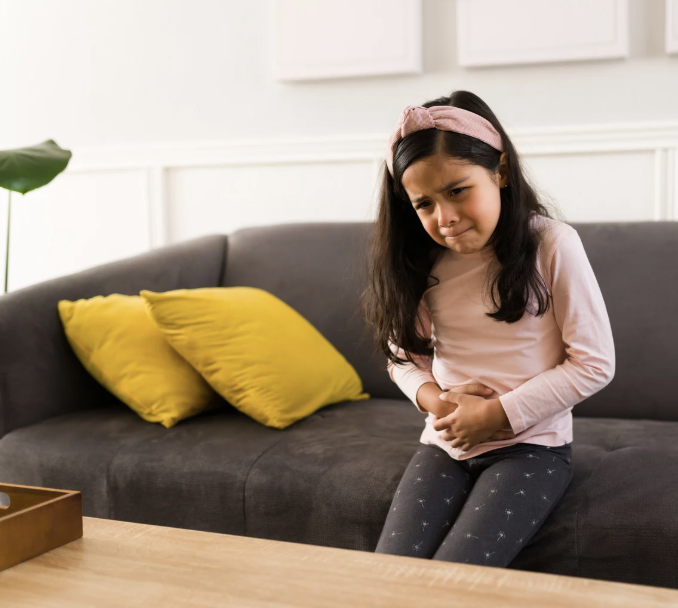
 Constipation in children can make bathroom trips painful and stressful. Your child may pass hard stools, go less often than usual, or avoid the bathroom because it hurt the last time. Understanding what happens between bowel movements can help you and your pediatrician decide what to do next.
Why Children Hold In Stool
Stool withholding is a common cause of constipation in children. A child might clench their buttocks, stand on tiptoe, or hide when they feel the urge to go. The longer stool stays in the colon, the more water the colon absorbs. The stool gets harder, and the next bowel movement can hurt more. Sometimes softer stool leaks around retained stool, leaving marks in underwear that can look like diarrhea.
How the Brain and Gut Communicate
 The autonomic nervous system helps regulate digestion. The gut also has its own network of nerves, called the enteric nervous system, which helps coordinate the muscle contractions that move food and stool. The brain and gut exchange signals through several pathways. One of these is the vagus nerve, which carries information about digestive activity back to the brain and helps regulate parts of the digestive tract.
These pathways help explain why stress and digestive symptoms can occur together. A child might avoid a school bathroom because it feels unfamiliar or hold in stool because they expect pain. The same symptoms can have several explanations. A history of difficult birth, sensory sensitivities, or a finding in the upper neck may play a part in what is causing constipation.
What to Tell Your Pediatrician
Note when the problem started, how often your child goes, what the stool looks like, and whether there is pain, withholding, or leakage. Mention changes in toilet routines, diet, or medicines. Your pediatrician can recommend a plan that may include bathroom routines, dietary changes, or medicine to soften stools.
Contact your pediatrician if constipation persists for more than two weeks or continues despite care at home. Seek medical care promptly if constipation comes with blood in the stool, rectal bleeding, vomiting, persistent abdominal pain, abdominal swelling, or weight loss.
What Chiropractic Case Reports Have Found
A 2014 review of chiropractic care for childhood constipation identified 14 case reports, one case series, and one literature review.
In a case series of three children under age two, the authors reported softer stools and bowel movements every one to two days after chiropractic care involving multiple regions of the spine. A separate review summarized reports of school age children passing stools more often or with less pain after care.
These reports document improvement in individual children. Without a comparison group, they cannot establish whether chiropractic care caused the improvement, how often children might benefit, or whether an upper cervical adjustment specifically contributed.
Where Upper Cervical Assessment Fits
 If your child also has neck pain or abnormal biomechanics in their neck, those concerns can be assessed on their own merits. Thermography and neck alignment findings cannot diagnose the cause of constipation, but may indicate vagus nerve dysfunction. Continue working with your pediatrician on a plan for persistent constipation.
References and Resources
- Breit S, Kupferberg A, Rogler G, Hasler G. Review of the vagus nerve and communication between the brain and gut. Frontiers in Psychiatry. 2018, volume 9, article 44.
- National Institute of Diabetes and Digestive and Kidney Diseases guidance on constipation in children.